1 of 4
Adoption, not just go-live.
What usually happens: the project ends at launch. What I do: design the weeks after it — first login, first “I’m stuck”, first win — and track adoption signals until they hold.
Service design × change management
Change the way you change.
I apply service design to the transition itself — so the people who have to live with the change are the ones who shape it. Fewer memos. More momentum.
The situation
Digitalisation, reorganisations, strategy pivots, now AI. In most organisations it still lands as a top-down announcement: unclear, rushed, heavy on deadlines. People are asked to adopt without context, support or a real say.
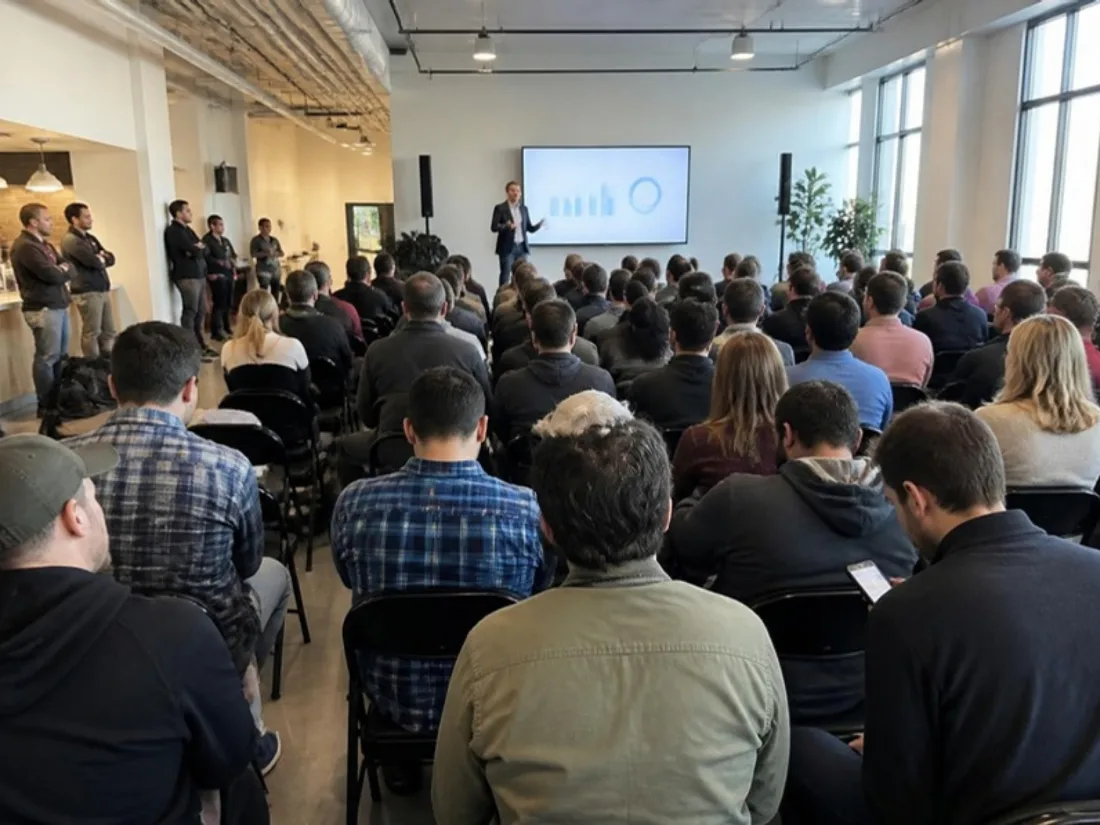
Announce, then expect adoption. Uncertainty stays, resistance grows, the initiative stalls.
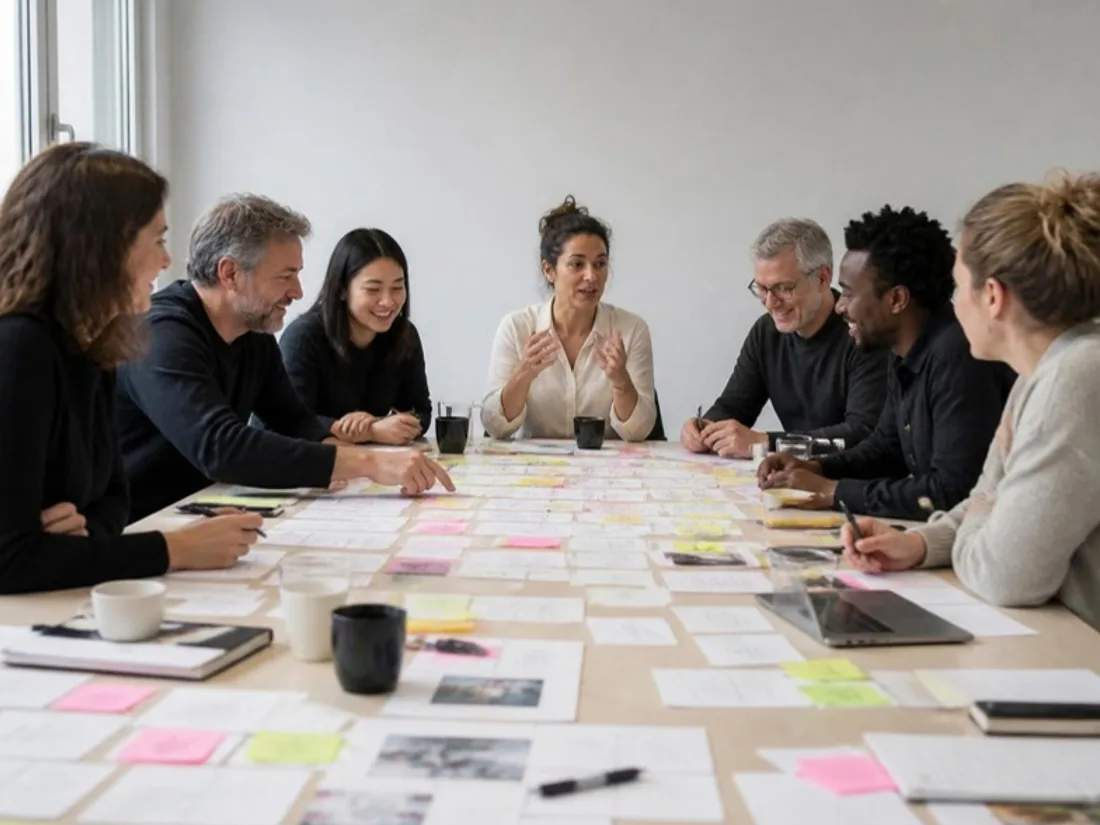
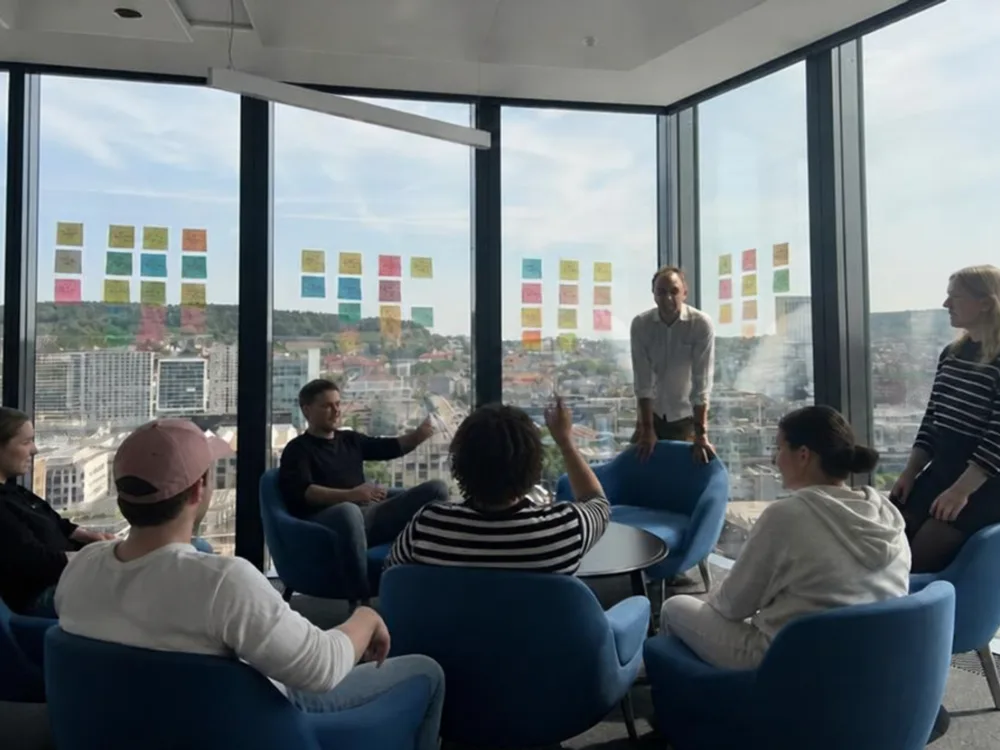
Co-design the transition. Design the moments that matter. Measure, improve, repeat. Change people build themselves is change they defend.
The difference
1 of 4
Adoption, not just go-live.
2 of 4
The middle of the organisation on board.
3 of 4
Leaders on one page.
4 of 4
This one to stick.
In one line
Not a rollout. A change experience.
Client stories
Three organisations, three kinds of change, one method.
“We didn’t just get a new platform — we got a transformation experience our teams actually trusted, because they’d shaped it.”
Head of Digital Transformation · Digital transformation, AI adoption
“This time we had stakeholder alignment, a clear narrative, and a governance structure that didn’t slow us down. Two years on, we have built a new business unit of over 130 people.”

Alfonso Vazquez
Head of Big Data Products · O2 UK
“Teams stopped waiting to be told and started asking for research. New habits. A shared language. User data that helped projects instead of staying optional.”

Jan Benedict
Experience Partner · Cognizant Moment
Services
I work with organisations during times of change, making sure people feel included, understood and prepared for what comes next.
Uncover what people really need and turn it into services that feel simple, useful and easy to adopt — so change creates value, not just new systems.
Use journey mapping to see what people go through: first message, first login, first “I’m stuck.” Shape training, support and comms around those moments.
Help people feel comfortable using new technology and AI in their everyday work: what they need, where they get stuck, how to make it useful.
Run “day in the life” research to see where AI fits, and where it doesn’t. Design the new way of working around tools, prompts, policies and compliance.
Launches don’t fail on features; they fail in the experience around them. Journey mapping, listening sessions and simple testing before day one.
Build the service blueprint before launch: every step of the customer journey, and who sends what, who answers questions, where support sits.
Understand current practice, find the resistance, and design practical steps that lead to lasting behavioural change.
Design change with purpose: the messages people read, the prompts inside tools, the decision checkpoints, the recognition. Prototype, test, iterate.
Frameworks under which new behaviours establish themselves naturally, because communication, working methods and leadership evolve together.
Skip the abstract jargon. Build concrete, visual tools that give teams a common framework for daily decisions.
Enablement treated like a product: segment people by what they need to do, build strong use cases, prototype the learning support. Training people use.
Templates, cheat sheets, office hours, communities. Test, tweak, repeat. The goal is training that helps on a real Monday.
How
01
Listen & learn
Interviews, observation and “day in the life” sessions to understand real work, real pain points, and what success looks like for different groups.
02
Understand reality
Journey mapping to reveal the key moments — first message, first use, where people get stuck — and where support is needed most.
03
Shape the future
Co-design workshops to define the new way of working and the roles inside it. Decisions made together, not handed down.
04
Connect the dots
A service blueprint that aligns what people see — tools, messages, training — with everything that has to happen behind the scenes.
05
Test & improve
Test with a small group, learn fast, improve on real feedback. Small wins build the confidence for the full rollout.
06
Scale with confidence
Clear communication, guidance at the point of need, champions and lightweight training. Track adoption signals and keep refining.
About
I’m Marcin Borkowski, a service designer and change manager based in Zürich. Working in IT consulting I’ve watched change arrive again and again without enough context, support, or a real say for the people it affects most.
After several reorganisations and strategy pivots first-hand, it became clear that top-down methods were expensive, slow, and rarely worked. So I apply user-centred design to the experience of change itself: collaborative, visual, human, and built for momentum.
Get in touch
hello@change-change.comBased in Zurich · Working across Europe
Tell me a little about what you’re working on.